Education is no longer just about memorizing textbooks and passing examinations. In today's competitive world, employers seek graduates who can apply knowledge, solve real-world problems, work in teams, and adapt to rapidly changing technologies. This shift has made practical learning one of the most valuable aspects of modern education.
While classroom theory builds the foundation of knowledge, practical learning transforms that knowledge into real skills. Whether you're pursuing Information Technology, Fashion Designing, Graphic Design, Interior Design, or any professional course, hands-on experience prepares you for real industry challenges.
In this guide, we'll explore why practical learning matters more than classroom theory, how it helps students become career-ready, and why institutions that emphasize project-based education are shaping the professionals of tomorrow.
🎯 Quick Highlights
💻
Real Projects
Gain hands-on experience before entering the industry.
🧠
Problem Solving
Develop analytical thinking through practical assignments.
🚀
Career Ready
Build industry-ready skills employers are looking for.
🏆
Better Placements
Practical exposure increases confidence during interviews.
📚 What is Classroom Theory?
Classroom theory focuses on learning concepts, principles, formulas, definitions, and academic knowledge. It forms the foundation of education by helping students understand how things work before applying them in real-world situations.
Traditional classroom learning includes lectures, textbooks, assignments, examinations, and discussions. While theoretical knowledge is important, it often remains incomplete unless students get opportunities to implement what they learn.
📖 Example
Learning programming from a textbook explains how coding works, but actually writing programs and solving coding problems is what develops real programming skills.
🔧 What is Practical Learning?
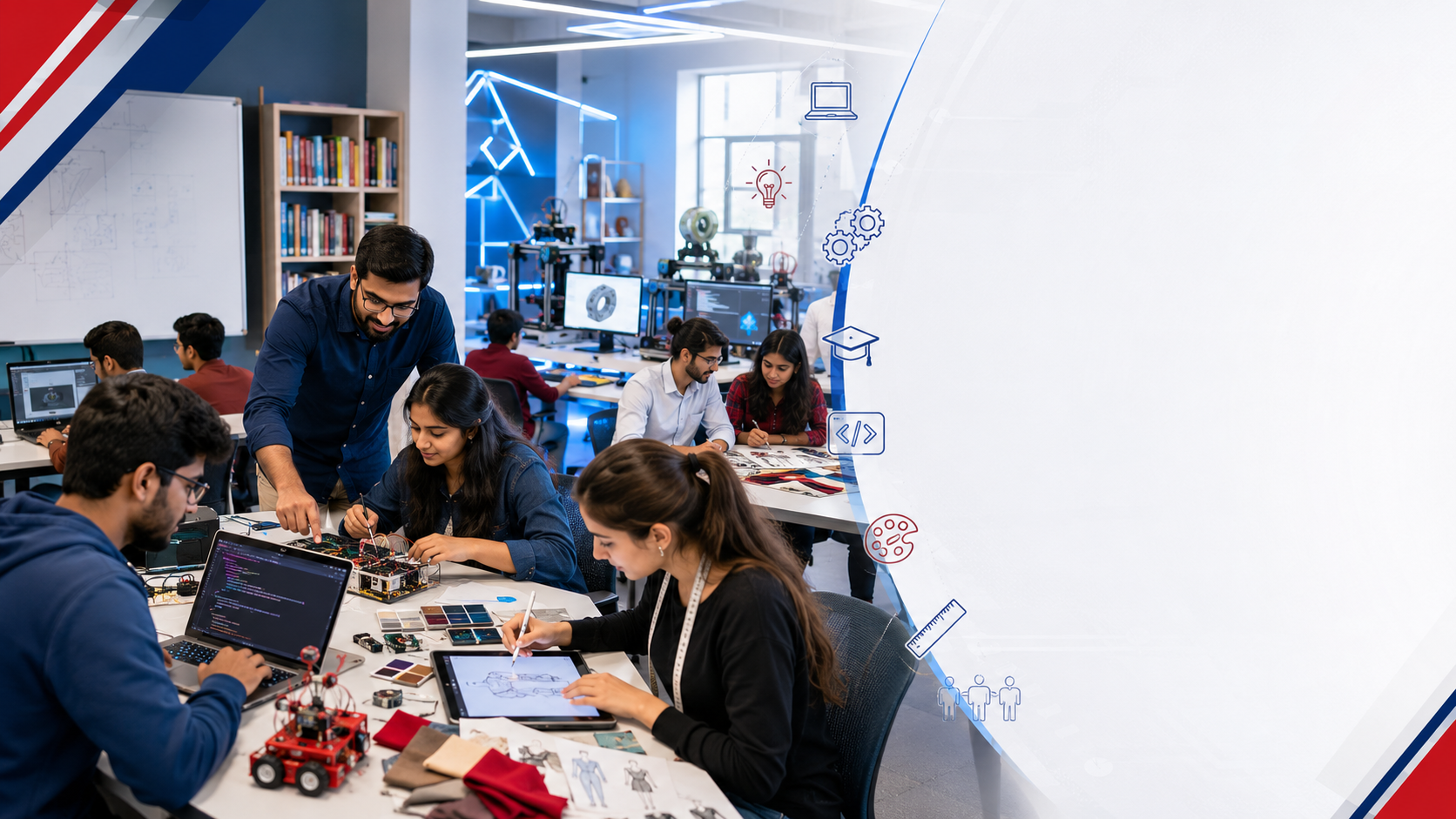
Practical learning is an educational approach where students actively apply classroom concepts through projects, laboratories, workshops, internships, industrial visits, case studies, simulations, and real-world assignments.
Instead of simply reading about a concept, students experience it directly. This process improves understanding, builds confidence, and develops professional skills that employers value.
💡 Practical Learning Includes
- ✔ Live Projects
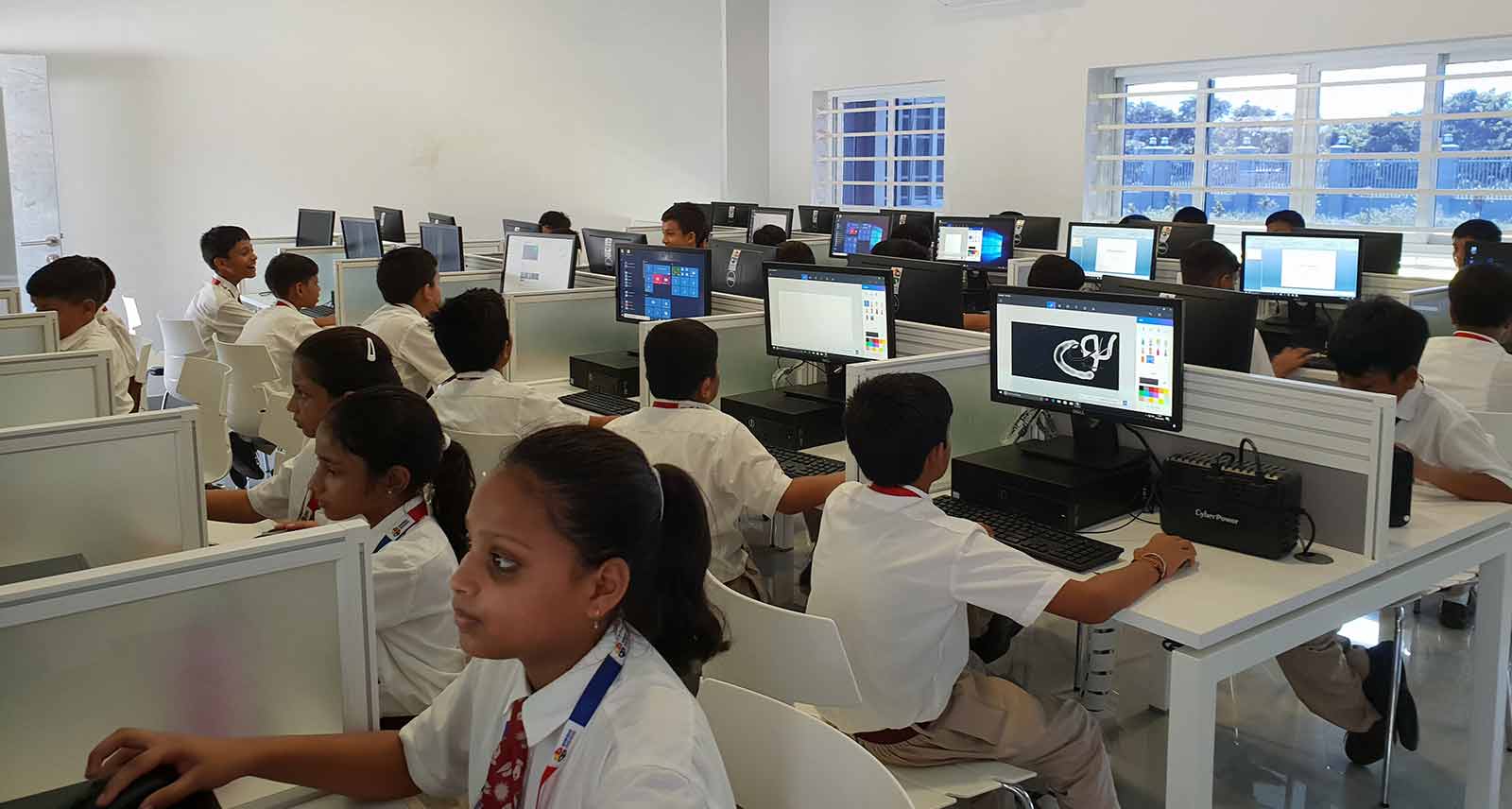
- ✔ Computer Laboratories
- ✔ Design Studios
- ✔ Workshops
- ✔ Industry Visits
- ✔ Internships
- ✔ Portfolio Development
- ✔ Team Projects
- ✔ Presentations
- ✔ Skill Assessments
⚖️ Classroom Theory vs Practical Learning
- Reading books
- Learning concepts
- Written examinations
- Limited real-world exposure
- Focus on remembering information
- Individual learning
- Academic understanding
- Working on real projects
- Building practical skills
- Industry assignments
- Hands-on experience
- Problem solving
- Team collaboration
- Career readiness
🌍 Why Practical Learning is Becoming More Important in 2026
Industries today are changing faster than ever. Artificial Intelligence, Cloud Computing, Digital Design, Automation, Data Analytics, and modern technologies require professionals who can adapt quickly and perform efficiently from day one.
As a result, companies increasingly prefer candidates who have practical exposure through internships, projects, workshops, and portfolio-based learning rather than those who possess only theoretical knowledge.
🎯 Industry Insight
Employers value graduates who can demonstrate practical skills, communicate effectively, solve problems, and contribute to projects immediately after joining an organization.
📊 Practical Learning by the Numbers
🎓
90%
Learning by Doing
Students understand concepts better through practical application than by memorizing theory alone.
💼
80%
Employers Value Skills
Companies prefer candidates who possess practical knowledge and project experience.
🚀
75%
Career Confidence
Practical exposure helps students perform confidently during interviews and internships.
🏆
100%
Industry Ready
Hands-on projects prepare students to solve real workplace challenges.
⭐ Top Benefits of Practical Learning
🧠 Better Understanding
Students remember concepts for a longer period because they experience them instead of simply reading about them.
💻 Real Skills
Projects, assignments, and workshops help students develop practical abilities required by modern industries.
🤝 Teamwork
Group activities improve communication, leadership, and collaboration skills essential for professional success.
🚀 Faster Career Growth
Students with practical knowledge adapt quickly to professional environments and often perform better in their careers.
🎯 Confidence
Hands-on experience reduces fear and builds confidence when facing real-world challenges and interviews.
💼 Better Employability
Graduates with portfolios, projects, internships, and practical exposure have a competitive advantage in the job market.
🚀 The Journey from Classroom to Career
📚
Learn
Understand concepts through classroom sessions.
🧪
Practice
Perform laboratory work and practical assignments.
💻
Create
Build projects and solve real-world problems.
🏢
Internship
Gain valuable industry experience.
🏆
Career
Become an industry-ready professional.
💼 Why Employers Prefer Practical Skills
Today's employers seek graduates who can contribute from their very first day at work. While theoretical knowledge remains important, organizations increasingly value candidates who can demonstrate their skills through real-world projects, internships, practical assignments, and professional portfolios.
💡
Innovation
Creative thinking and practical problem-solving abilities.
⚙️
Technical Skills
Hands-on experience with modern tools and technologies.
🌍
Adaptability
The ability to learn quickly and perform effectively in dynamic work environments.
🎯 Career Insight
Employers don't just hire degrees—they hire skills, confidence, creativity, teamwork, and the ability to solve real-world problems. Practical learning helps students develop all these qualities before they graduate.
❓ Frequently Asked Questions
Why is practical learning important for students?
Practical learning enables students to apply classroom concepts in real-life situations, helping them build confidence, improve problem-solving abilities, and develop job-ready skills.
Is classroom theory still important?
Yes. Classroom theory provides the fundamental knowledge required to understand concepts, while practical learning helps students apply that knowledge effectively.
Why do employers prefer practical skills?
Employers seek candidates who can solve problems, use industry tools, work in teams, and contribute from the first day. Practical experience demonstrates these abilities.
How do internships help students?
Internships provide industry exposure, improve technical knowledge, develop workplace communication, and help students understand professional expectations.
Can practical learning improve placement opportunities?
Yes. Students with projects, internships, portfolios, and practical experience often perform better in interviews and have stronger employment prospects.
What types of practical learning activities are available?
Laboratory sessions, live projects, workshops, industrial visits, seminars, internships, case studies, design studios, coding exercises, and portfolio development are common practical learning activities.
How does HIDT support practical learning?
HIDT emphasizes project-based education, workshops, modern laboratories, internships, industry interaction, portfolio development, and practical assignments to prepare students for successful careers.
Which courses benefit the most from practical learning?
Practical learning is valuable across all professional programs, including Information Technology, Fashion Designing, Graphic Design, Interior Design, Animation, Business, and Hospitality.
Can practical learning build confidence?
Absolutely. Completing projects, presentations, workshops, and internships improves communication skills, confidence, and professional readiness.
Why should students choose HIDT?
HIDT combines quality education with practical learning, experienced faculty, modern infrastructure, industry exposure, personality development, and placement assistance to help students achieve their career goals.
🎓 Conclusion
In today's rapidly evolving professional world, academic knowledge alone is no longer enough to guarantee career success. While classroom theory builds a strong foundation, practical learning transforms that knowledge into real-world skills that employers value. Students who actively participate in projects, internships, workshops, industry interactions, and practical assignments develop confidence, creativity, communication skills, and problem-solving abilities that prepare them for long-term success.
Professional education should empower students to think critically, innovate confidently, and adapt to changing industry requirements. Institutions that combine theoretical learning with practical exposure create graduates who are ready to contribute effectively from the very beginning of their careers.
At Himalayan Institute of Design & Technology (HIDT), practical learning is at the heart of the educational experience. Through industry-oriented programs, experienced faculty, modern laboratories, workshops, live projects, internships, and placement support, HIDT helps students become skilled professionals prepared for the challenges of the modern workplace.
🚀 Ready to Learn by Doing?
Build practical skills, gain real-world experience, and prepare for a successful future with industry-focused programs at Himalayan Institute of Design & Technology (HIDT). Admissions are open for 2026.




_21Oct24_114818.jpg)